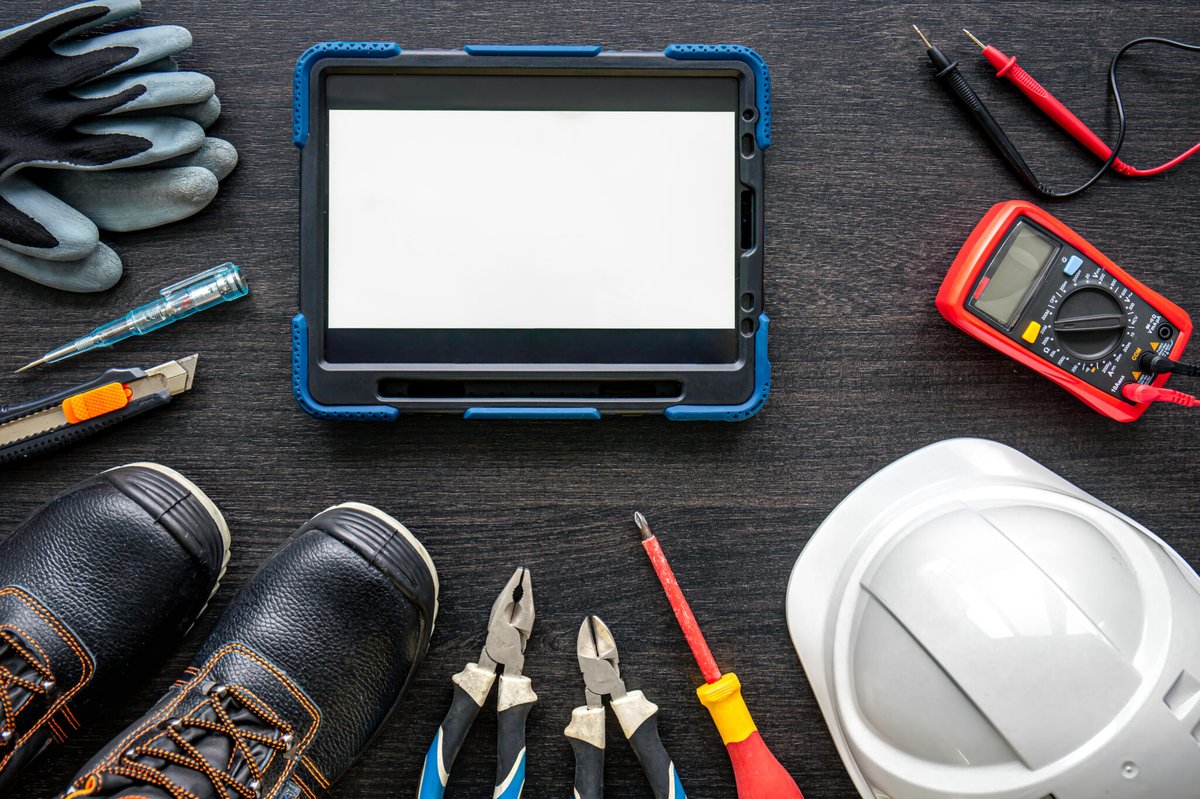
Unplanned downtime isn't just an inconvenience; it's a silent killer of productivity and profits, costing organizations an average of $25,000 per hour. While many teams are getting better at reducing the number of downtime incidents, the financial impact of each event is actually rising. This stark reality underscores a critical truth: mastering Maintenance, Troubleshooting & Safety isn't just good practice—it's essential for survival, efficiency, and the well-being of your team.
This isn't about simply fixing things when they break; it's about building a robust system that prevents breakdowns, quickly diagnoses issues when they arise, and inherently protects everyone involved. It’s about moving from reactive chaos to proactive control, ensuring your operations hum smoothly and safely.
At a Glance: Your Roadmap to Uptime and Protection
- Understand the "Why": Grasp the true costs of downtime and the benefits of a systematic approach.
- Master the 5-Step Troubleshooting Process: Learn how to methodically identify, isolate, and resolve equipment issues.
- Spot Common Problems: Recognize the tell-tale signs of mechanical, electrical, and operational failures.
- Prevent Recurring Headaches: Implement strategies like Preventive Maintenance (PM) and Root Cause Analysis (RCA).
- Build an Unshakeable Safety Culture: Integrate risk assessments, comprehensive training, and strict procedures.
- Leverage Technology: See how a Computerized Maintenance Management System (CMMS) becomes your central nervous system for both efficiency and safety.
The Unseen Costs of Neglect: Why Proactive Maintenance, Troubleshooting & Safety Isn't Optional
Imagine trying to navigate a dense fog without a compass. That's what equipment maintenance often feels like without a structured approach to troubleshooting and safety. When a machine grinds to a halt, the clock starts ticking. Every minute of downtime isn't just lost production; it's also:
- Direct Financial Losses: Revenue from stalled production, rush orders for replacement parts, overtime pay for emergency repairs, and potential missed deadlines that harm customer relationships. The average cost per hour is increasing, making quick, correct fixes paramount.
- Increased Risk of Misdiagnosis: Without a systematic approach, technicians might replace expensive components unnecessarily, mistaking symptoms for root causes (e.g., swapping a motor when a $5 fuse was the real issue). This inflates costs and delays the actual fix.
- Elevated Safety Hazards: Equipment failures rarely happen in isolation. A recurring mechanical fault, an unaddressed electrical glitch, or ignored operational errors can lead directly to dangerous situations, injuries, or even fatalities. Identifying the true cause prevents future incidents and protects your workforce.
Maintenance troubleshooting is the systematic process of identifying equipment problems and implementing the correct fix to restore operations. It’s about gathering clues, testing theories, and pinpointing the actual cause of failure, rather than just patching symptoms.
The Master Key: Your 5-Step Troubleshooting Process
Effective troubleshooting isn't guesswork; it's a methodical discipline. Following these five steps will help your team diagnose issues faster, fix them correctly the first time, and minimize costly downtime.
Step 1: Pinpoint the Problem – Become a Detective
Before you can fix anything, you need to understand what's actually wrong. This step is about gathering initial observations and listening carefully.
- Talk to the Operator: They are often your first and best source of information. Ask specific questions:
- "What exactly happened?"
- "When did it start?"
- "What were you doing immediately before the problem occurred?"
- "Were there any unusual sounds, smells, or vibrations?"
- "Has anything changed recently with the equipment or its operation?"
- Conduct a Visual Inspection: Look for the obvious (and not-so-obvious):
- Warning lights, error codes on control panels.
- Abnormal sounds (grinding, squealing, hissing) or vibrations.
- Unusual smells (burning, chemical).
- Visible damage, leaks (oil, coolant), loose components, or abnormal temperatures/pressures.
- Document Initial Observations: Log everything. Leverage your CMMS (Computerized Maintenance Management System) to record the initial symptoms and check the asset's history for recurring issues or similar past failures. This data is invaluable.
Step 2: Gather Your Evidence – The Data Hunt
Once you have a preliminary idea of the problem, it's time to dig deeper into available information.
- Consult Technical Documentation: Manufacturer manuals, wiring diagrams, pneumatic/hydraulic flowcharts, and error code lookup tables are your blueprints. They often provide troubleshooting trees or common failure points.
- Review Maintenance History: Your CMMS is a goldmine here. Look at past work orders for this specific asset. Have similar problems occurred before? What fixes were implemented? This can quickly point you towards known issues or recurring patterns.
- Collect Operational Data: Use diagnostic tools and existing data streams:
- Vibration analysis: To detect bearing wear or misalignment.
- Oil analysis: For contamination or wear particles in lubricated systems.
- Temperature logs: To identify overheating components.
- Multimeter readings: For electrical circuit diagnostics.
- Thermal imaging: To spot hot spots in electrical panels or mechanical systems.
- IoT sensor data: For real-time performance metrics and anomaly detection.
CMMS centralizes all this information, making it accessible at your fingertips.
Step 3: Isolate the Culprit – Systematic Elimination
This is where you systematically narrow down the potential root cause. Think like a doctor diagnosing an illness.
- Start Simple, Then Expand: Begin with the easiest and most common possibilities. Is the power on? Are safety interlocks engaged? Is a circuit breaker tripped? Don't immediately assume the worst.
- Use Process of Elimination: Test one variable at a time. If a system has multiple components, try to isolate sections. For instance, in a hydraulic circuit, check the pump, then valves, then actuators.
- Employ Diagnostic Tools:
- Multimeters: For voltage, current, and resistance checks on electrical components (sensors, relays, motor windings).
- Pressure gauges: To verify hydraulic or pneumatic system pressures.
- Vibration analyzers: To pinpoint the location and nature of mechanical vibrations.
- Thermal cameras: To visualize heat patterns.
- Document Findings: Record all tests performed and their results. This prevents redundant checks and builds a clear trail to the problem.
Step 4: Test Your Theories – One Change at a Time
With a likely cause identified, it's time to test your hypothesis.
- Implement One Change: Only make one adjustment or replacement at a time. This way, if the problem resolves, you know exactly what fixed it. If it doesn't, you haven't introduced more variables.
- Start with the Easiest Fix: If you have multiple theories, begin with the simplest and least invasive solution first.
- Monitor Symptoms: After each change, observe the equipment carefully. Has the original symptom disappeared or changed?
- Maintain Detailed Notes: Document what you changed, when, and the effect it had. Your CMMS can be used to search for past solutions to similar problems, leveraging collective team knowledge.
Step 5: Fix, Confirm, and Document – The Final Verdict
The repair isn't complete until you've verified everything and documented your work for future reference.
- Complete the Repair Thoroughly: Ensure all connections are secure, components are properly installed, and safety guards are re-engaged.
- Verify Full Operation: Don't just turn it on. Run the equipment through a complete operational cycle at normal load. Involve the operator to confirm that the machine is functioning as expected and the original problem is truly resolved.
- Document Everything in the CMMS: This is crucial for continuous improvement. Record:
- The original problem description.
- The root cause identified.
- All actions taken (what was replaced, adjusted, or repaired).
- Any follow-up actions or preventive measures needed (e.g., scheduling more frequent PM tasks for this component).
This robust documentation transforms individual fixes into organizational learning.
Cracking the Code: Common Maintenance Problems & How to Spot Them
Understanding the typical failure modes helps you zero in on problems faster.
Mechanical Mayhem
Mechanical issues are often signaled by sensory cues.
- Abnormal Vibration/Noise: A prime indicator of misalignment, worn bearings, unbalanced components, or loose parts. Listen for grinding, clanking, whining, or excessive rumbling.
- Fluid Leaks: Failed seals, cracked housings, loose fittings, or degraded hoses. Look for puddles, drips, or residue around connections and moving parts.
- Excessive Heat: Insufficient lubrication, overloading, friction, or impending component failure. Use thermal cameras or simply feel (cautiously!) for abnormally hot surfaces.
- Visible Wear: End-of-life components, improper installation, or lack of lubrication. Look for scoring, pitting, cracks, or deformation on gears, belts, chains, and other moving parts.
Regular visual inspections, logged in your CMMS, are vital for early detection.
Electrical Enigmas
Electrical failures can be subtle but often leave clear diagnostic trails.
- Systematically Check Power Supply: Start at the source. Verify breakers are on, check voltage levels at the disconnect, and inspect fuses.
- Inspect Connections: Loose terminals, corroded contacts, or frayed wiring are common culprits.
- Test Components: Use a multimeter to test continuity in cables, resistance in motor windings, and the function of sensors, relays, and contactors.
- Review Control Logic: Check PLC error logs, HMI alarms, and verify input/output (I/O) signals.
Critical Safety Note: Always follow strict Lockout/Tagout (LOTO) procedures before inspecting or working on any electrical equipment. Document all readings and observations in your CMMS.
Operational Obstacles
Sometimes, the equipment itself isn't truly "broken," but its operation is flawed.
- Incorrect Machine Settings: Wrong speeds, temperatures, pressures, or timing can lead to poor performance or apparent "failures."
- Missed Preventive Tasks: Overdue lubrication, filter changes, or calibrations can manifest as operational problems.
- Improper Routines or Human Error: Equipment not being operated according to Standard Operating Procedures (SOPs) or errors during setup/startup.
You can identify these by observing equipment operation, reviewing CMMS data for patterns (e.g., problems occurring on specific shifts), and filtering work orders by operator. Addressing these often involves strengthening SOPs, providing additional training, and enabling operators to flag issues directly in the CMMS.
Beyond the Fix: Preventing Problems from Repeating
The ultimate goal isn't just to fix failures, but to prevent them from happening again. This requires a shift from reactive to proactive strategies.
The Power of Proactive PMs: A Shield Against Downtime
Preventive Maintenance (PM) is your first line of defense.
- Analyze Failure Data: Use your CMMS to identify which assets or components fail most frequently and what typically causes those failures. This data helps you prioritize PM tasks.
- Create Structured Schedules: Based on manufacturer recommendations, historical failure rates, operating conditions, and the criticality of the equipment, develop detailed PM schedules.
- Automate and Monitor: Utilize CMMS automation to generate recurring work orders for PM tasks. Track their completion and effectiveness, adjusting frequencies or procedures as needed. For example, ensuring consistent maintenance of systems is key to long-term reliability, much like understanding your complete solar backup generator guide is for energy independence.
Root Cause Analysis (RCA): Getting to the "Why"
Don't just fix the symptom; find and eliminate the root cause.
- Structured Methods: Employ techniques like the 5 Whys (asking "why?" five times to drill down to the fundamental cause), Fishbone (Ishikawa) diagrams (categorizing potential causes), or Failure Mode and Effects Analysis (FMEA) for more complex systems.
- Implement Permanent Fixes: Once the root cause is identified, implement solutions that prevent recurrence. This might involve updating procedures, providing targeted training, sourcing higher-quality parts, or redesigning a component.
Teamwork & Knowledge Sharing: Building a Smarter Crew
Collective knowledge is a powerful tool against recurring problems.
- Foster Collaboration: Encourage maintenance teams to collaborate on problem-solving, holding brief "huddles" after complex fixes. Implement mentoring programs.
- Build Knowledge Repositories: Use your CMMS to store detailed notes, photos, troubleshooting guides, and lessons learned for specific assets or types of failures. This transforms individual experience into institutional knowledge.
- Improve Communication: Standardize terminology and ensure clear communication channels, both formally (via CMMS messaging) and informally.
Safety First, Always: Integrating Protection into Maintenance
Maintenance and safety are two sides of the same coin. A safe workplace is an efficient workplace, and well-maintained equipment is inherently safer.
Why Safety & Maintenance Are Inseparable
Integrating safety into every maintenance task offers profound benefits:
- Worker Protection: Embedding hazard controls like LOTO, PPE requirements, and machine guarding directly into tasks significantly reduces the risk of injuries and accidents.
- Asset Protection: Standardized inspections and proactive maintenance prevent equipment failures, extending asset life and avoiding catastrophic damage.
- Production Stability: Safe operations and proactive PMs work hand-in-hand to reduce unplanned downtime, ensuring consistent production.
- Boosted Morale & Trust: A consistent and visible commitment to safety fosters trust among employees, encouraging open communication, near-miss reporting, and a shared responsibility for safety.
- Regulatory Compliance: Integrating safety procedures ensures alignment with critical regulatory standards (e.g., OSHA, ISO 45001, NFPA), avoiding penalties and legal issues.
Decoding Risk: Your Essential Assessment Tools
Before any maintenance task, especially non-routine or high-risk ones, a robust risk assessment is crucial.
- HIRA (Hazard Identification & Risk Assessment): This is a structured approach to systematically identify hazards associated with tasks or equipment, estimate the risk (likelihood × severity), and prioritize control measures. Use HIRA for scoping new projects, refreshing SOPs, or onboarding new equipment.
- JSA (Job Safety Analysis): A more detailed, step-by-step breakdown of a specific job. For each step, you identify potential hazards and the corresponding control measures. JSAs are ideal for pre-task planning, non-routine jobs, contractor work, or any high-risk situation. For example, a JSA for motor alignment would detail steps like applying LOTO, testing for zero energy, proper handling of tools, and ensuring guard reinstallation with photo verification and sign-offs.
- Bowtie Analysis: A visual mapping tool used for high-consequence scenarios (e.g., energized work, confined spaces). It illustrates the causes of an incident, its potential consequences, and the barriers (preventive and mitigative) that are in place to control risk.
The 10 Pillars of Maintenance Safety: A Robust Framework
Building a truly safe maintenance environment requires a multi-faceted approach.
- Develop Comprehensive Safety Policies and Procedures: These aren't just documents; they're your rulebook. They must address specific risks, comply with all relevant regulations, be easily accessible to all employees, and be regularly reviewed and updated with input from experienced staff.
- Deliver Comprehensive Safety Training: Training should be ongoing and multi-layered. This includes new hire orientation, regular refreshers on equipment-specific guidelines, emergency response drills, and hands-on practice with PPE. Your CMMS can track training completion and expiration dates.
- Implement a Robust Preventive Maintenance Program: As discussed, PM isn't just for uptime; it's a safety cornerstone. Schedule and monitor tasks via your CMMS, conduct routine safety inspections, proactively resolve identified hazards, and maintain accurate records of all PM activities.
- Foster a Culture of Safety: Safety isn't just management's job; it's everyone's. Promote open communication, encourage and reward near-miss reporting (as learning opportunities, not blame), recognize safe behaviors, and hold regular safety discussions. Managers must consistently lead by example.
- Provide and Maintain Proper Personal Protective Equipment (PPE): Ensure that all employees have access to the correct, properly fitting PPE for their tasks (e.g., safety glasses, hard hats, gloves, steel-toed boots, hearing protection). Implement a schedule for routine PPE inspections and replacement, tracked via CMMS.
- Implement Strict Lockout/Tagout (LOTO) Procedures: LOTO is non-negotiable for preventing accidental startup or release of energy. Establish clear, documented protocols, train all employees who might be exposed to energized equipment, conduct regular audits of LOTO compliance, and update procedures as equipment changes. Post visual reminders at energy isolation points.
- Conduct Regular Safety Inspections: Beyond equipment PMs, conduct routine audits of the work environment using standardized checklists. Involve a diverse group of employees in these inspections to get multiple perspectives. Address identified hazards promptly and track/analyze results to spot trends.
- Ensure Proper Tools and Equipment: Provide technicians with the correct tools for the job. Implement a regular tool inspection and maintenance schedule (e.g., calibration of torque wrenches). Replace damaged equipment immediately and provide training on the proper use and storage of all tools. Your CMMS can manage tool inventory and maintenance schedules.
- Improve Safety Communication: Establish clear, multi-directional communication channels. This includes a robust safety management system, regular safety meetings, and mechanisms for employees to report concerns or suggest improvements. Share lessons learned from incidents and near-misses across the organization.
- Monitor and Analyze Safety Performance: You can't improve what you don't measure. Track key performance indicators (KPIs) such as incident rates, near-miss reports, audit results, and employee participation in safety programs. Use CMMS data to generate detailed reports and make data-driven decisions to continually enhance safety.
Real-World Application: AED Safety & Maintenance
Automated External Defibrillators (AEDs) are critical life-saving devices that require consistent maintenance to be effective. This offers a clear example of integrating safety checks into your routine.
- Monthly Checklist (Log as recurring Work Orders in CMMS):
- Verify the AED status light is green or "ready."
- Check for any error messages or alerts.
- Ensure electrode pads are present, sealed, and within their expiration date (with backups available).
- Verify the battery pack is charged and within its expiration date (with a spare available).
- Inspect the unit, case, and connectors for any damage.
- Confirm all accessories (razor, gloves, wipes) are present.
- Ensure signage is visible and access to the AED is unobstructed.
- Log the inspection in the CMMS.
- After Any Use:
- Immediately replace used electrode pads.
- Inspect, replace, or recharge the battery as needed.
- Disinfect the unit per manufacturer guidelines.
- Restock any used accessories.
- Record the incident in the CMMS, including the outcome.
- Update relevant training logs for responders.
- Verify the AED passes its self-test before returning it to service.
Your CMMS: The Digital Backbone for Safety & Efficiency
A robust CMMS is more than just a scheduling tool; it's the central nervous system that connects your maintenance and safety efforts, providing accountability, traceability, and actionable insights.
Operationalizing Safety Through Your CMMS
- Recurring PMs for Safety: Create scheduled PMs specifically for safety checks—inspecting fire extinguishers, emergency lighting, machine guarding, calibration of safety devices, and PPE condition.
- Embedded Controls in Work Orders: Integrate safety directly into maintenance tasks. Add mandatory LOTO instructions, PPE checklists, and acceptance criteria (e.g., "guard reinstalled, photo required") to work orders. Require e-signatures or photo proof of completion for critical steps.
- Authorization and Access Control: Use authorization fields to restrict equipment operation or maintenance tasks to qualified, trained personnel. Track tool and key check-in/out to ensure accountability.
- Reporting and Dashboards: Monitor key safety metrics in real-time. Track training expiries, overdue safety PMs, failed safety inspections, and near-miss trends through customizable CMMS dashboards. This allows for proactive intervention rather than reactive response.
Documentation, Audits, and Compliance Made Easy
- Centralized Storage: Your CMMS serves as a secure, version-controlled repository for critical safety documents: risk assessments (JSA, HIRA, Bowtie analyses), employee training records, incident and near-miss reports (with RCA findings), evidence of inspections and PMs, calibration certificates, and work permits.
- Streamlined Audits: With all information centralized, audits become simpler and more efficient. Conduct monthly dashboard reviews of safety KPIs, quarterly safety walk-downs (verifying controls are effective on the shop floor), and annual program reviews.
- Digital Traceability: The CMMS provides an indisputable audit trail. It records who did what, when, and with what approvals, maintaining critical evidence for compliance and continuous improvement.
Looking Ahead: The Future of Safety & Maintenance
The field is constantly evolving, moving towards predictive and autonomous capabilities. Connected sensors (IoT) provide early warnings of impending failures or hazardous conditions. AI-assisted anomaly alerts can identify risks before humans can. Autonomous maintenance on low-risk tasks can free up technicians for more complex, safety-critical work. All of these advancements rely on digital traceability and robust data management, further solidifying the CMMS as an indispensable tool.
Beyond the Blueprint: Building a Culture of Excellence
Mastering maintenance, troubleshooting, and safety isn't a destination; it's a continuous journey. It demands an investment—in people, processes, and technology—but the returns are immeasurable: reduced downtime, extended asset life, significant cost savings, and most importantly, a safer, more confident workforce.
By embracing systematic troubleshooting, embedding safety into every task, and leveraging powerful tools like a CMMS, you transform potential chaos into predictable control. You move from simply reacting to breakdowns to proactively building a resilient operation where equipment runs reliably, and every team member goes home safe, every day. This isn't just about adhering to rules; it's about fostering an environment where efficiency and protection are woven into the very fabric of your organization.